Quick Answer
Effective hotel waste management starts with understanding how waste moves through a property.
Guest rooms, public areas, food-service spaces, and back-of-house operations generate different waste volumes and require different collection routines.
Instead of using the same waste solution throughout the entire property, facilities teams should evaluate each area’s waste type, traffic level, hygiene requirements, available space, and servicing schedule.
A well-planned hospitality waste system combines suitable equipment selection, clear disposal practices, and consistent maintenance procedures.
When these elements work together, hotels can improve cleanliness, simplify daily operations, and create a more organized environment for both guests and employees.
Start With a Waste Assessment Before Choosing Equipment
Many hotels begin waste planning by focusing on container size or appearance. However, an effective waste system starts with understanding what waste is generated, where it appears, and how frequently it needs to be collected.
A basic waste assessment should identify:
- Main waste streams
- High-volume areas
- Peak disposal periods
- Collection routes
- Overflow problems
- Recycling opportunities
Different hotel areas create different operational challenges.
Guest rooms may generate lower volumes of daily waste, while breakfast areas and restaurants may experience concentrated disposal during service periods.
Conference spaces may require flexible arrangements depending on event schedules, while staff areas may need solutions designed for frequent employee use.
Understanding these patterns allows facilities teams to select equipment based on actual requirements rather than simply increasing the number of bins throughout the property.
Match Waste Solutions to Each Area’s Operating Needs
Guest-Facing Areas: Balance Appearance and Convenience
Guest rooms, lobbies, and public areas all require waste solutions that support cleanliness without becoming visually disruptive.
Key considerations include:
In higher-visibility areas such as hotel lobbies, reception spaces, and conference areas, waste equipment needs to support quick disposal while maintaining a professional appearance. EKO’s
Urban Commercial Bin Series is designed for open commercial spaces, featuring wide-opening designs that allow easy disposal and help maintain tidy high-traffic areas.
For locations where space efficiency is important,
Semi-Round Configurations provide a practical option for areas such as corridors, waiting spaces, and reception zones.
For hospitality areas that require waste separation, EKO’s
Laguna Open Top Bin offers single or dual-compartment configurations, helping facilities organize general waste and recycling within the same disposal point.
The objective is not simply to select a more attractive bin, but to choose equipment that matches the function and expectations of each space.
Food-Service Areas: Support Hygiene and Frequent Disposal
Breakfast areas, restaurants, cafés, and staff kitchens often experience some of the highest waste activity within a hospitality property.
Common challenges include:
-
Frequent disposal cycles
-
Food packaging waste
-
Beverage containers
-
Hygiene requirements
-
Faster cleaning demands
For kitchen and food preparation areas, step bins are often a practical choice because employees need reliable hands-free operation throughout daily tasks. EKO’s
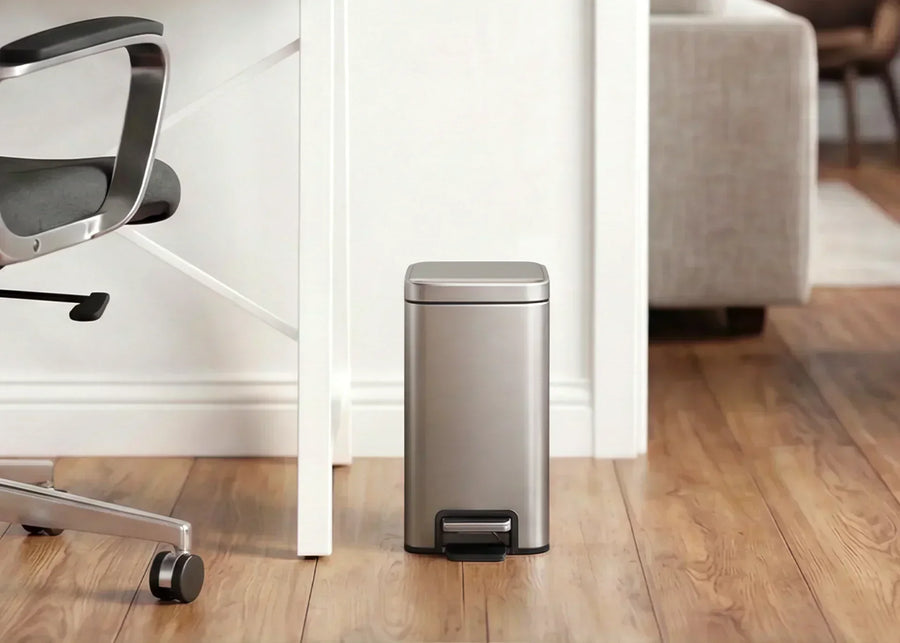
Ecocasa II Step Bin supports commercial environments with a slim stainless steel design, foot pedal operation, and optional double liners to help facilities manage waste separation efficiently.
For breakfast areas, cafés, and restaurant seating spaces, commercial open-top bins can support fast disposal during busy service periods. EKO’s
Urban Commercial Bin Series features wide-opening designs for easy trash disposal and quick clean-up, making it suitable for high-traffic hospitality environments.
Back-of-House and Recycling Operations: Improve Workflow Efficiency
Back-of-house areas such as service corridors, housekeeping areas, staff spaces, and operational zones have different priorities from guest-facing locations. Instead of focusing mainly on appearance, these areas require waste solutions that support daily staff workflows.
These environments typically require:
-
Efficient servicing
-
Clear waste separation
-
Reliable daily operation
-
Easy staff handling
For housekeeping areas and service routes, commercial bins with practical access and easy maintenance can help staff complete waste collection more efficiently. EKO’s
Urban Commercial Bin Series features wide-opening designs for quick disposal, easy clean-up, and convenient handling, making it suitable for operational areas with frequent waste movement.
For staff areas and smaller recycling stations, combining waste and recycling collection in one unit can simplify daily operations. EKO’s
Ecocasa Plus Dual 10.6 Gal Recycling Trash Can provides separate compartments for convenient sorting while supporting organized waste management in commercial environments.
Standardize Waste Procedures Across the Property
Hotels do not need identical waste equipment in every location. However, they benefit from consistent waste management procedures.
A standardized approach helps teams understand:
-
Which waste categories belong in each location
-
How containers should be serviced
-
Which liners should be used
-
How recycling should be separated
Clear labeling is especially important for recycling stations. Waste categories should be easy to understand without requiring detailed instructions, helping guests and employees make correct disposal decisions.
Consistency also simplifies housekeeping training and makes operations easier to manage across multiple departments or properties.
Select Capacity Based on Real Usage
Waste container capacity should be based on operational demand rather than room size alone.
Facilities teams should evaluate:
A container that is too small may create overflow and require additional collection rounds. However, selecting a larger container than necessary may occupy valuable space and make servicing less efficient.
The best capacity choice is the one that matches the property’s actual workflow.
Maintain Waste Equipment for Long-Term Performance
Even well-selected commercial waste equipment requires regular maintenance to perform consistently.
Cleaning and Appearance
Guest-facing waste equipment should be cleaned regularly to maintain appearance and support hygiene standards. Stainless steel surfaces should be maintained using suitable cleaning methods to protect the finish.
Liner Management
Correct liner placement helps housekeeping teams improve servicing efficiency.
Regular checks should include:
- Bag positioning
- Container condition
- Replacement frequency
Sensor Equipment Checks
Sensor bins should be included in routine facility inspections.
Teams should monitor:
-
Sensor responsiveness
-
Lid movement
-
Battery condition
-
Overall operation
Maintenance schedules should reflect actual usage conditions. High-traffic areas may require more frequent checks than lower-use locations.
Hotel Waste Management Planning at a Glance
| Hotel Area |
Main Requirement |
Suitable Solution Approach |
| Guest Rooms |
Compact and discreet disposal |
Compact sensor solutions |
| Lobby & Public Areas |
Appearance and accessibility |
Premium sensor solutions |
| Breakfast & Restaurants |
Hygiene and frequent use |
Sensor and step solutions |
| Back-of-House |
Efficient handling and sorting |
Operational and recycling solutions |
Build a More Efficient Hospitality Waste System
A successful hotel waste management program is not based on placing more containers throughout a property. It is based on creating a system where equipment, placement, servicing, and daily operations work together.
By understanding how waste moves through a hotel, hospitality teams can improve cleanliness, simplify maintenance, and create a more consistent experience for guests and employees.
Frequently Asked Questions
How do hotels decide which waste bins go where?
Start with a waste assessment that maps main waste streams, high-volume areas, peak disposal periods, and collection routes. Guest-facing areas prioritize appearance and quiet operation, food-service areas need hands-free hygiene, and back-of-house areas need efficient servicing and clear separation.
What bins work best in hotel food-service areas?
Step bins suit kitchens because staff keep their hands free during preparation and cleaning, while wide-opening commercial open-top bins handle fast disposal in breakfast areas and restaurant seating during busy service periods.
How often should hotel waste equipment be maintained?
Match the schedule to actual usage: high-traffic areas need more frequent cleaning, liner checks, and sensor inspections — responsiveness, lid movement, and battery condition — than lower-use locations.